How to Paint a Car
How is the Car Painting Process Carried Out?
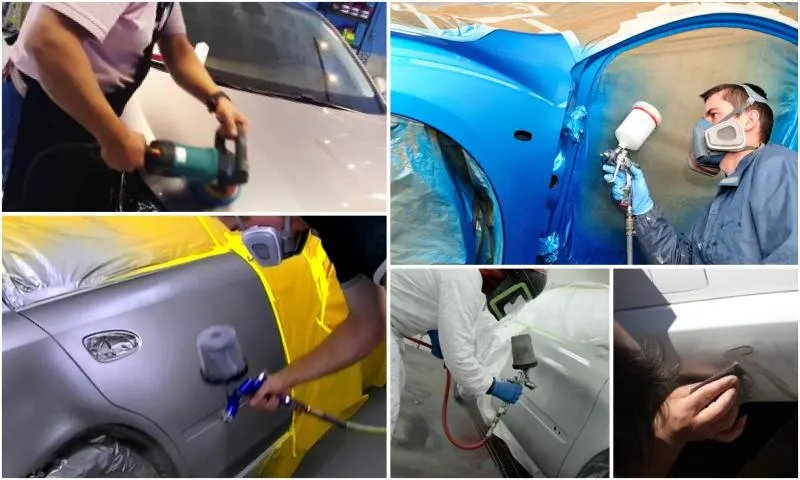
Cars are vehicles used by almost everyone in society, both for transportation and as a hobby. Every car owner has definitely had an accident at least once in their life or has encountered one. When an accident occurs, the damaged vehicle is usually inspected by auto detailers such as repair shops or garages. In car accidents, the damaged area generally requires painting. For such mandatory painting processes, first consulting a vehicle expert knowledgeable in this matter will provide the accident victim with the benefit of minimum cost and correct procedure. If deemed necessary after consultation, the car painting process should be done by a repair shop. For those who want to paint their vehicle as a hobby, you can also paint it yourself with expert advice. The desired shades and color/pattern selection will be entirely in line with your preferences. At this point, you need to paint the areas of the vehicle you want to paint that will accept paint and are not bubbling. For bubbling areas, first, the cracks and similar damages should be cleaned with a spatula. Then, the area to be painted should be cleaned with sandpaper. Afterwards, the necessary touch-ups are made with putty. Immediately after sanding, primer should be applied. After the primer, the sanding process should be repeated. Then, the painting process is carried out with a spray gun. When the applied paint shows itself, varnish is applied to ensure the paint is glossy, and then it is left to dry. It is especially important that these processes take place in dust-free environments. Otherwise, defects may occur in the appearance of the paint. Due to the difficulty and high error rate of these processes, it is recommended that the painting process be carried out by expert technicians. If the painting process is done with oven paint, the paint will achieve its integrity much faster.
Key Points to Consider When Painting a Car
If the vehicle to be painted has been in an accident, the damaged area must be prepared to accept paint as much as possible. Otherwise, the paint may not adhere. The necessary materials for the painting process should be readily available. Any missing material can cause disruptions in the painting process. Painting a vehicle that has not been in an accident can be less troublesome and less costly. Before the painting process, selecting a color close to the original paint tone will be beneficial for the painted area to show the paint fully. These painting processes should be carried out by an expert. Both mandatory and optional painting can have as much harm as benefit to the painted vehicle. Vehicle owners who consider the harm more than the benefit can act more cautiously in this regard. These points to consider, along with their benefits and harms, are;
- Painting an accident-damaged vehicle allows the vehicle to be used on the road.
- Painting an accident-damaged vehicle does not significantly affect the vehicle's value when sold.
- Painting a vehicle as a hobby will be beneficial for the vehicle owner in planning a design that suits their tastes.
- Painting an accident-damaged vehicle will definitely cause a decrease in the vehicle's value, considering the loss of its original color.
- If repainting is required over the applied paint, the repainting process will be more troublesome than the first time.
Painting processes carried out by considering these and similar pros and cons will lead to more effective results on the vehicle in subsequent operations.