
Types and Functions of Water Resources

Water resources are natural formations where water is stored and used in various forms on Earth. Basically, water resources are divided into three main categories: freshwater resources, saltwater resources, and groundwater resources. Freshwater resources are the main sources from which water for drinking and agriculture is supplied. Rivers, lakes, and glaciers are examples of freshwater resources. While rivers help nourish ecosystems by enabling the movement of water in terrestrial areas, lakes are natural basins where water is stored. Glaciers, on the other hand, are an important part of the global water cycle, providing freshwater as they melt. Saltwater resources include bodies of water with high salt concentrations, such as oceans and seas, and contribute to the biodiversity of ecosystems. Groundwater resources include water found in underground aquifers and water basins and are known as groundwater; these water resources are of critical importance, especially in arid regions. For information on this topic and to ask your questions, you can check the relevant online companies on the internet pages and review them in detail from here.
Importance and Uses of Water Resources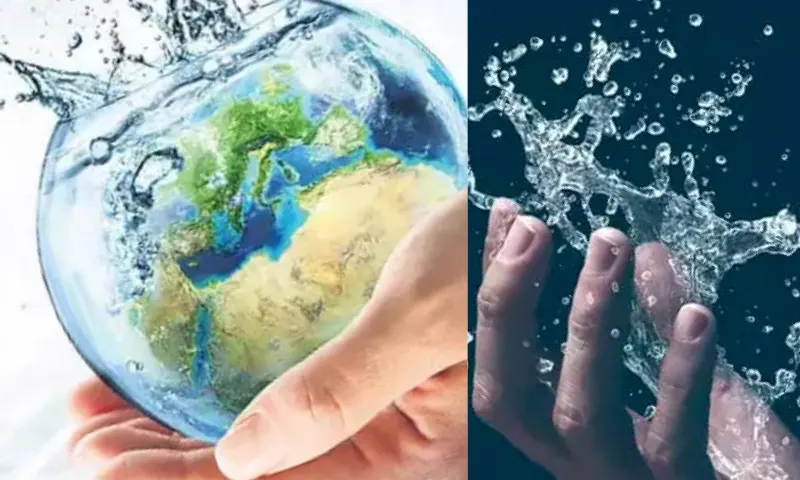
Water resources are vital for the sustainability of both ecosystems and human activities. For humans, water is used in many areas such as drinking water, agriculture, industry, and energy production. Drinking water is essential for protecting human health, and the supply of clean water is critical for health and quality of life. Water in agriculture supports plant growth and ensures food production, thus irrigation systems require the efficient use of water. In the industrial sector, water is used as part of production processes and plays a role in the production of various products. Furthermore, hydroelectric power plants are another important area where water is used for energy production. Water resources are also necessary to maintain the balance of natural ecosystems and support biodiversity. Lakes, rivers, and oceans form the habitats of various plant and animal species.
Conservation and Management of Water Resources
The conservation of water resources is of great importance for both environmental and human needs. Water pollution is a significant problem that affects the quality of water resources and harms ecosystems. Pesticides used in agriculture, industrial waste, and domestic waste can cause water pollution, threatening the health of water resources. Various management strategies are implemented to conserve water resources. Policies and technologies have been developed to ensure water conservation, and systems that support the efficient use of water have been implemented. Additionally, environmental regulations and cleanup projects are carried out to protect water resources. These projects aim to prevent pollution, support the natural water cycle, and protect ecosystems. Increasing public awareness of water conservation is a critical step for sustainable water management and ensures the long-term preservation of water resources. Water resources, as a fundamental element of life, ensure the sustainability of the natural environment and the continuation of human life. The diversity, functions, and conservation of water resources aim for the effective management of these vital components and for leaving a healthy environment for future generations.