
The Evolution of Computer Games

Computer games have undergone a significant evolution with the rapid advancement of technology. This development process, extending from early games with simple graphics to today's high-definition, realistic graphics and complex game mechanics, has transformed the gaming industry into a colossal sector. This journey, which began with the arcade games of the 1980s, continues today with innovative experiences such as massively multiplayer online role-playing games (MMORPGs), open-world games, e-sports, and virtual reality (VR). The gaming industry has become a significant driving force not only for the entertainment sector but also for technology, art, and culture. For information on this subject and to ask your questions, you can look at the relevant online companies on web pages and examine them in detail from there.
Social Impacts of Computer Games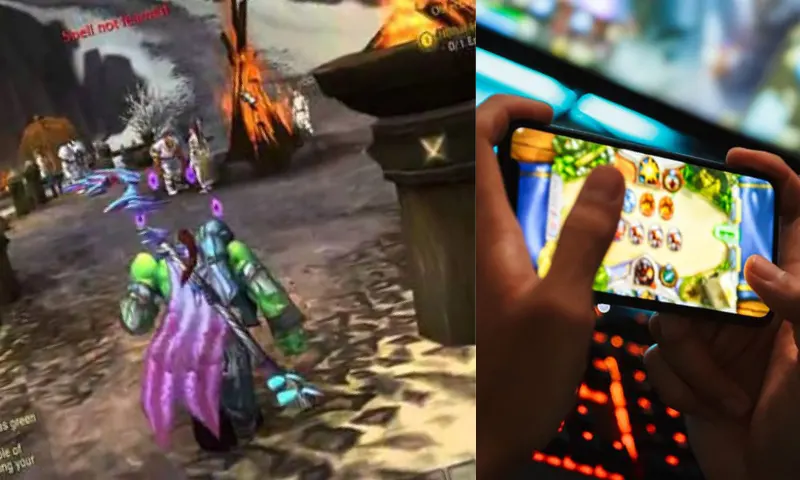
Computer games have transcended being merely a tool for individual entertainment, becoming an important part of social interactions. Especially online multiplayer games offer players the opportunity to interact with people from all over the world, develop strategies, and collaborate. These types of games can foster strong communities among players, which are often shaped around common interests. However, the social impacts of computer games are not solely positive; excessive gaming can also lead to negative consequences such as social isolation, aggressive behavior, and time management issues. Therefore, it is important to manage gaming habits in a balanced way.
The Role of Computer Games in Education
Computer games are increasingly being used in the field of education. Educational games can increase students' interest in lessons by making learning more fun and interactive. Simulation games allow for practical learning of complex concepts and theories, giving students the opportunity to apply their theoretical knowledge in real life. Furthermore, skills such as problem-solving, critical thinking, and strategic planning can also be developed through games. Games used in education offer valuable contributions to traditional teaching methods while enabling students to participate more actively and creatively in the digital world. Computer games have gone beyond being just a means of entertainment to become an important part of social interactions, technological advancements, and education. This wide spectrum offered by games ensures they are an indispensable element of modern life.