Wood-Burning Fireplaces and Their Environmental Impact
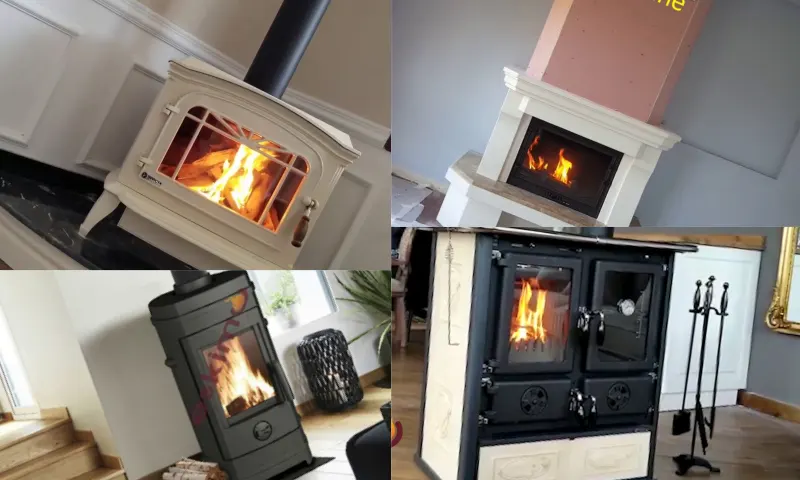
Wood-Burning Fireplaces and Sustainable Fuel Options
Wood-burning fireplaces offer both aesthetic and functional heating solutions in homes. You can visit https://eskimosomine.com/odunlu-somine to purchase a wood-burning fireplace. Because they use wood as fuel, wood-burning fireplaces can cause carbon emissions. Carbon dioxide (CO2) and other harmful gases released during combustion can negatively affect air quality. Furthermore, particulate matter is also released during the combustion process, which can pose a risk to both the environment and human health.
Wood-Burning Fireplaces and Eco-Friendly Use
One way to reduce the environmental impact of wood-burning fireplaces is to use sustainable fuel options. Wood obtained from sustainable forest management is an environmentally friendly fuel source. These woods are produced for the use of forests as renewable resources and for the protection of biodiversity. Additionally, wood pellets also stand out as a sustainable option. Pellets, obtained by compressing wood waste, offer an eco-friendly fuel alternative with their low moisture content and high energy efficiency. To minimize the environmental impact of wood-burning fireplaces, certain usage tips should be followed. First, using quality and dry wood increases combustion efficiency and reduces harmful gas emissions. Wet or green woods produce more smoke and particulate matter, so it is important to dry the wood thoroughly before burning it. Moreover, regular chimney cleaning prevents blockages and ensures the fireplace operates efficiently. Modern and high-efficiency fireplace models produce more heat using less fuel, which reduces environmental impact. When lighting your fireplace, start by igniting the fire with small pieces of wood and kindling, and then add larger logs to ensure controlled burning.