How to Make Pasta
Pasta Making
Pasta is a food that everyone loves and appeals to all age groups. Although it seems as easy to make as it is to eat, it can lose its nutritional value and flavor if certain tricks are not paid attention to. With the right and delicious cooking methods, pasta, which appears to be an ordinary student house meal, can even take its place at an invitation table. But how it takes this place depends on our skill in this matter. How is pasta, which is found on almost every table in our country, made?
How to Cook Pasta?
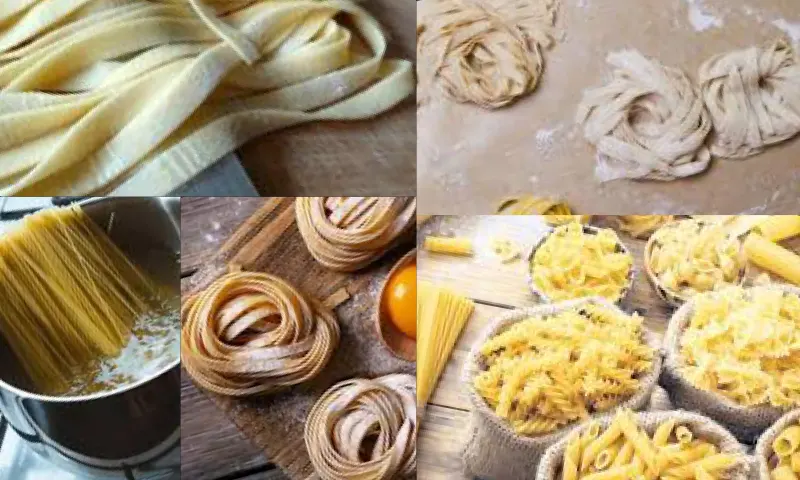
It has been revealed that many known things in pasta cooking actually reduce flavor and nutritional value, and for this reason, new techniques have been developed. In the pasta cooking phase, the first thing we will do is to put water in the pot based on the amount of pasta to be cooked and let it boil. Enough salt is added to the boiling water, and 1 tablespoon of olive oil or vegetable oil is added. Finally, the pasta is added to the water and left to boil. The most basic thing to pay attention to during boiling is that the pasta should not be overcooked and should remain slightly firm. To prevent boiling over while the pasta is cooking, the pot lid is left open. The boiled pasta is taken into a colander and drained. While draining, about half a glass of water is taken from the pasta water; if a tomato paste sauce is to be made, this water is used. And the drained pasta is served with the desired sauce. For Tomato Paste Pasta: A little oil is put in the pan, 1 tablespoon of tomato paste is added to the heated oil and sautéed. The water taken from the pasta is added to the sautéed tomato paste, and when it boils well, it is poured over the pasta and served. For Tomato Pasta: Oil is put in the pan, peeled and grated tomatoes are added to the pan and sautéed. 2 cloves of garlic are grated over them, and salt, black pepper, red pepper, and desired spices are added, and the tomato is left to sauté. The sautéed sauce is poured over the pasta and served. For Cheese Pasta: The boiled and drained pasta is transferred to a plate, and a small amount of melted butter or olive oil is added to the pasta. In a separate bowl, the desired type of cheese is mixed with mint, red pepper flakes, black pepper, and fresh dill and parsley if desired. The cheese sauce is poured over the pasta. The pasta is ready to serve. Tricks for Cooking Pasta: It should be boiled with enough water, not too much. The boiled pasta should not become doughy; it should remain slightly firm. The pasta should not lose its vitamin value by draining the water. Therefore, the amount of water should be sufficient, and furthermore, the pasta should not be washed with cold water after draining.