Designs Meeting Street Needs
Although the electric current provides illumination, the general systems that cause the phenomenon of radiation are called bulbs. A bulb is a glass bottle without air inside, containing a special conductor that can emit light. It generally has a pear-like structure. Lighting began this way and has continued for many years. However, in order to keep up with changes in interior and exterior design, the lighting sector has also introduced innovations in design. The history of lighting, which started with candles and oil lamps, has been continuously renewed with systems that emit more light around them, but have increased in size. In contrast, after the 90s, the development of small but effective light-producing components known as LEDs became essential. The desire to use small bulbs in home appliances, automobiles, or technological devices after home and street lighting has initiated a new era in bulb designs.
While lighting systems increasingly focus on minimalist designs, sufficient light-emitting minimalist designs for street lighting have not yet been developed. Although we see LED systems on the streets in metropolitan cities like İzmir, Ankara, and Istanbul in our country, old systems still persist. Normal bulbs are still used, especially in highway, urban, and venue lighting. The presence of LED designs on the streets indicates both lower electricity consumption and an environmentally friendly approach.
Hidden Designs
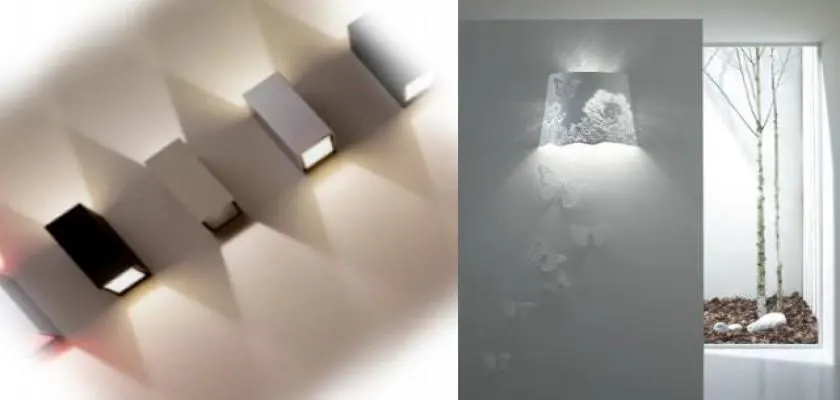
The decreasing prices of or other minimalist lighting systems are becoming more widespread with district municipalities adopting an environmental mission. Furthermore, their more aesthetically pleasing and smaller visual appearance provides a more beautiful environment. One of the innovations in interior designs is in-wall lighting. Instead of covering empty space with large chandeliers or wall lamps, an attempt is made to achieve a more colorful and vibrant look with multiple small LED bulbs. As these bulbs have the capability to be more flexible or recessed into the wall, they are becoming increasingly widespread. Beyond this, designs are being developed for various areas such as tabletop designs, colorful lighting in the entertainment industry, colorations within waterfalls, and lighting within swimming pools, allowing for illumination under difficult conditions.
www.aydinlatmapasaji.com