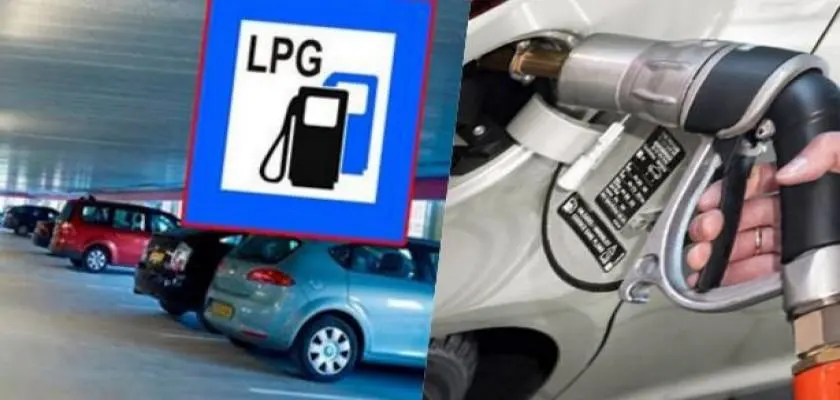
What is a Sequential LPG System?
LPG systems ensure that gases are sent to the cylinders. Compared to gasoline, they are used effectively as a cleaner fuel. Furthermore, thanks to their very high thermodynamic properties, they provide better combustion. Valves and spark plugs remain clean in the combustion chamber. The lifespan of engine oil is extended in LPG autogas systems, and no carbon deposits form in the engine. Accordingly, it has a greater knock suppression power than gasoline. It should be known that all vehicles running on LPG operate more quietly and do not harm the engine due to these superior features. On the contrary to popular belief, they actually extend the life of engines.
Sequential systems are LPG systems that can be installed on vehicles with electronic sequential injection, delivering LPG to multiple points and in stages. The most important features of sequential systems are that their performance is the same as gasoline, and they provide a trouble-free and comfortable use. In today's technology, with sequential autogas systems developed for vehicles, performance issues and adjustment problems are definitely not experienced.
What are Sequential LPG Operating Systems?
Sequential autogas systems, which are gaining increasing interest and demand both worldwide and in our country, are adding new excitement to the sector. Sequential autogas systems consist of a regulator, gas valve, ECU, map sensor, a small elegant display panel, a multivalve float, and a filling port, and they are used most effectively with the latest technology autogas systems whose settings are controlled by a computer. With these systems, vehicles primarily start running on gasoline and continue to run on gasoline until the engine water temperature reaches between 36-40 degrees. At these stages, when the desired temperatures are reached in the LPG autogas systems, the gas systems are activated by sending signals to the electronic control units thanks to all the heat sensors on the regulator, and the vehicle cuts off gasoline and starts running on gas. At this point, if your vehicle is warm, the gas system becomes active within 25 seconds. On the other hand, the advantages of sequential autogas systems are that they perform these operations automatically, without you needing to manually intervene, unlike the manual operations you perform in carbureted systems.
www.otoservis.co