
What is Studying Medicine and Why is it Preferred?

Studying medicine stands out as an academic path chosen by individuals who aim to contribute to human health. This field offers students comprehensive knowledge about the human body, diseases, treatment methods, and health services. Medical education includes theoretical courses as well as practical training, thus students gain both scientific and practical knowledge. Studying medicine not only provides a professional career but also instills an awareness of contributing to public health. Therefore, medical education requires disciplined study, patience, and an intensive learning process. Medical students continue their education with the motivation to protect human life and make a difference in the field of health. For information on this subject and to ask your questions, you can look at the relevant online firms on the internet pages and examine them in detail from here.
Medical Education and Its Challenges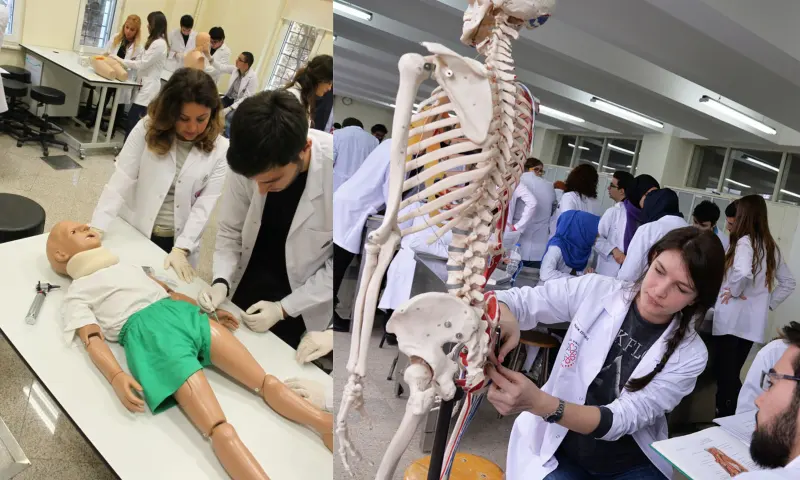
Studying medicine is an intense process both academically and emotionally. Students start with basic courses such as anatomy, physiology, and biochemistry, and then move on to clinical applications. In the clinical training process, direct communication with patients, diagnosing, and learning treatment methods enable students to gain experience. However, this process is challenging and tiring; long class hours, exams, and internship obligations can create pressure on students. Those who want to study medicine must have good time management and stress coping skills. Furthermore, the importance of ethical rules and a human-centered approach is constantly emphasized throughout medical education. In this way, students gain not only technical knowledge but also a sense of professional responsibility.
Advantages and Future Opportunities of Studying Medicine
Studying medicine offers broad career opportunities after graduation. Graduates have the opportunity to work in hospitals, clinics, research centers, and academic institutions. It is also possible to specialize in a particular field through postgraduate training. Medical education equips individuals with problem-solving, analytical thinking, and quick decision-making skills. These skills are considered valuable competencies not only in the field of medicine but also in different areas of life. Although studying medicine requires patience and perseverance, the knowledge gained and the opportunity to touch human lives are a great source of motivation for students. Therefore, the field of medicine holds special importance for both personal development and societal contribution.