The Importance of Carbohydrates in Weight Loss
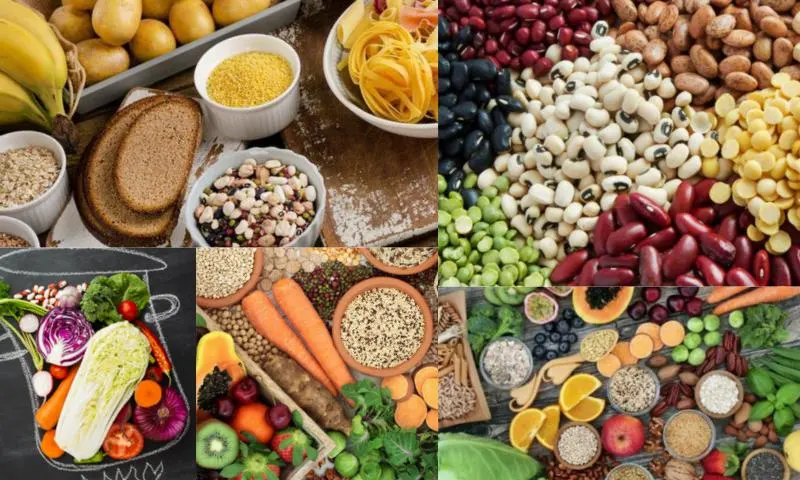
Carbohydrates in your diet provide you with energy and structure for many molecules in your cells, they also play a role in maintaining the health of your digestive system and may even help to decrease your odds of developing certain diseases. The difference in their functions depends on whether your gastrointestinal system can digest the carbohydrate in question. Carbohydrates that cannot be digested are the carbohydrates that affect your digestive health and your risk of disease.
Resistant Starch

Resistant starch is made up of the same type of starch molecules that would normally enter digestion in your gut but instead remain resistant to the action of your digestive enzymes. Foods containing resistant starches include carbohydrate-rich vegetables and grains, like potatoes or pasta, that are allowed to cool after being cooked. Raw cornstarch, sourdough bread, and some unripe fruits also provide your diet with resistant starch. Because they do not react to digestive enzymes, these carbohydrates do not break down into simpler sugars for absorption. Instead, they travel undigested to your large intestine, where they mimic the effects of dietary fiber.
Soluble Fiber

Pectins and mucilages found in barley, oats, beans, and fruits are indigestible by your digestive system because you lack the enzymes to break them down. These soluble fibers take on a sticky consistency as they draw water through your intestines, and when they do, they slow the transit of food through your gut. This slow rate helps to regulate how quickly your bloodstream absorbs nutrients, such as glucose and cholesterol, which can help to decrease your odds of developing diabetes and heart disease or help you manage these health issues if you already have them. To maximize the health benefits of both, the soluble fiber you consume every day should be balanced with insoluble fiber in your diet.
Insoluble Fiber
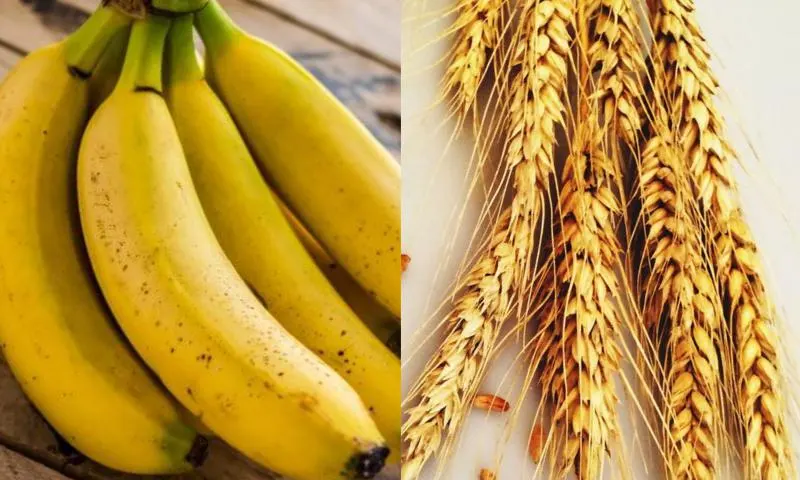
Similar to soluble fibers, your body does not produce the enzymes needed to digest insoluble fibers. These carbohydrates add bulk to the foods that pass through your intestines from the hemicellulose, cellulose, and lignin found in whole grains and vegetables and stimulate the passage of waste products through your large intestine. In this way, insoluble fiber helps to regulate your bowel movements and can decrease the occurrence of constipation and hemorrhoids. Additionally, moving waste more quickly through your bowels may decrease your odds of digestive disease, such as colon cancer. The increased bulk associated with insoluble fiber may also help you to feel more satisfied and full from the foods you eat, which can help to prevent overeating and weight gain.
Sugar

Some of the carbohydrates you eat cannot be digested by the enzymes you produce, but they can be digested by bacteria that naturally live in your gut. In the case of lactose intolerance, for example, your body produces insufficient enzymes to break down this milk sugar, and it can pass undigested to your large intestine. Other sugars, such as raffinose in cabbage and broccoli or sorbitol in apples and pears, can also pass through your intestines undigested. When bacteria digest these sugars, they can produce gas, which can cause mild to severe abdominal discomfort. Reducing or eliminating these foods from your diet may be the only way to avoid intestinal problems if eating them causes you issues.