Non-Contact Thermometer Recommendation
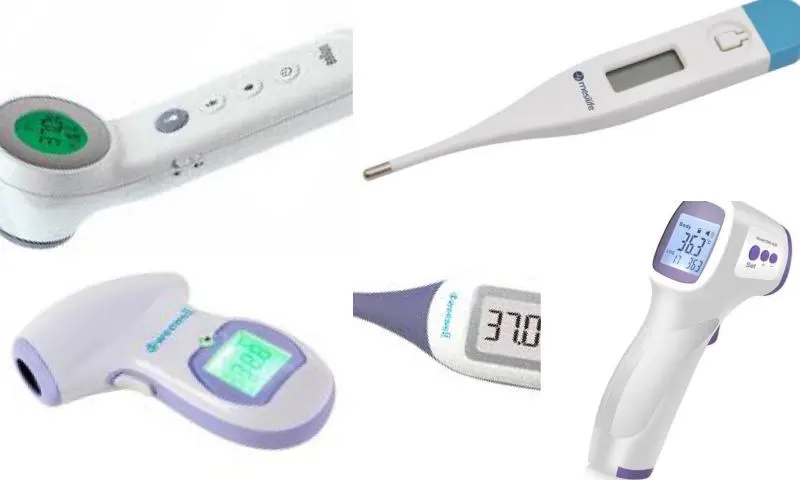
Mercury thermometers are a thing of the past. One of the devices that technology experts have adapted to modern standards is the non-contact thermometer. To measure temperature safely, the device occupies an important place in the medicine cabinet and is a recommended device, especially among young mothers. Now there is no need to wake a sleeping child to measure body heat - it is enough to point such a thermometer at the forehead and it will show the current condition of the sleeping baby itself.
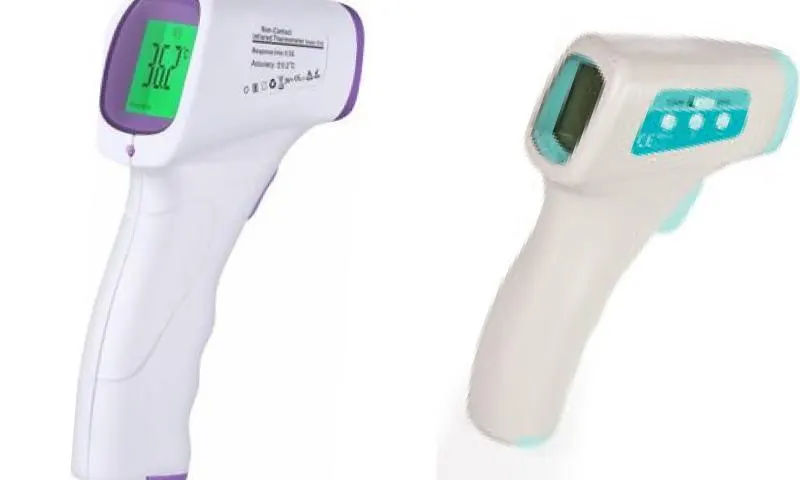
Recommended Features of a Non-Contact Thermometer
The main feature of such a measuring device is that it does not touch the human body at all. The thermometer itself works on the principle of infrared radiation, which reads body temperature with the help of built-in electronics in the thermometer and displays the data on the screen. Diagnoses will be accurate and instantaneous, and such a device will also save all data in its memory. Therefore, it is very convenient to monitor their health status in case of illness. Another reason why non-contact thermometers are recommended is that this thermometer can not only measure the temperature of the human body but also determine the temperature of liquids - for example, tea, water while small children are bathing, and even food. Electronic thermometers are completely hygienic as they do not come into contact with the body, unlike mercury or electronic contact devices.
Non-Contact Thermometer Recommendation Content When the Device Has a Problem

The measurement error of such a device can be up to 0.3 ° C compared to mercury and electronic thermometers. It should be remembered that if the instructions for use are not followed or if the thermometer itself is damaged, the data will be unreliable. Also, for a more accurate examination result, there are a number of nuances to pay attention to in the non-contact thermometer recommendation details.
- Dirt on the sensor - smudges, dust, scratches, cosmetic residue from previous use;
- Moisture on the patient's forehead;
- Air conditioner or heater turned on during the procedure. Foreign air disrupts the correct thermometer settings and shows an incorrect result;
- Cosmetics such as cream, foundation, or powder also cause measurement errors;
- Faulty batteries. Their functionality should be checked before each use.