How Should a Sediment Separator Be Used?
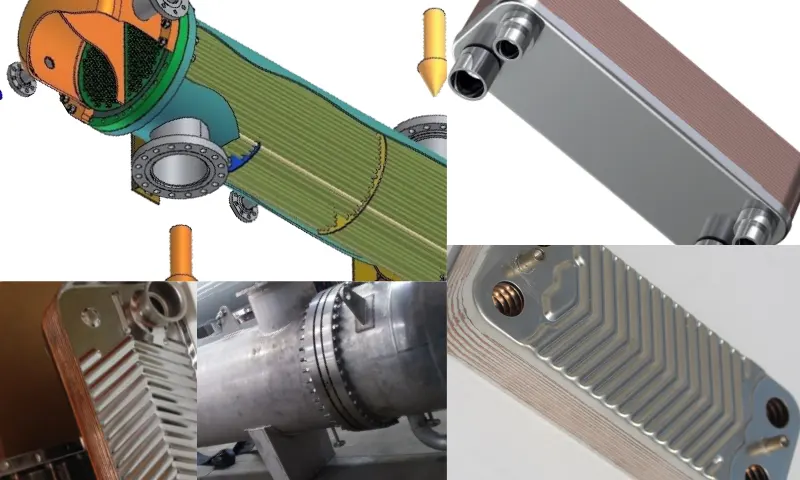
Sediment Separator
Sediment separators are devices used in mechanical installations, heating and cooling systems, for separating dirt. These devices ensure that sediment, sludge, and dirt are separated from the installations and discharged into the drain. This helps to eliminate corrosion caused by dirt in the installations, difficulties in heat transfer, and reductions in efficiency. However, continuous maintenance requirements increase, and corrosion situations arise. In heating installations and installations using plastic pipes, sediment formation due to corrosion is observed due to oxygen diffusion. Therefore, the use of sediment separators is important. You can get sediment separator services from the site https://www.vefaheat.com/separatorler/paket-hava-tortu-ayirici/. Sediment, dirt, and sludge formation in installations cause excessive temperature increases and noisy system operation. It also contributes to corrosion in the systems. Therefore, damage and malfunctions that may occur in boilers are not covered by warranty. The use of sediment separators is extremely important in this regard.
How Does a Sediment Separator Work?
For the removal of dirt and sludge, it is of great importance that the installations are washed properly before the boilers are commissioned and put into operation. To prevent corrosion in the installations, there must be an air separator at the outlet section of the boilers so that sediment can be effectively separated from the installation. A sediment separator is required in the boiler return section. This eliminates the need for an additional sediment separator in front of the pump with a three-way valve. The sediment separator must be periodically opened and cleaned of the sediment and dirt it contains. Regular cleaning of classical sediment separators is also extremely important. In large installation structures with high water volume, the use of sediment separators with special air separators is of great importance. In heating and cooling installations, sediment and dirt in the water cause malfunctions. In addition, wear and reduced efficiency may occur in motorized valves and other fittings.