
Supporting Mental and Physical Health with Yoga at Home
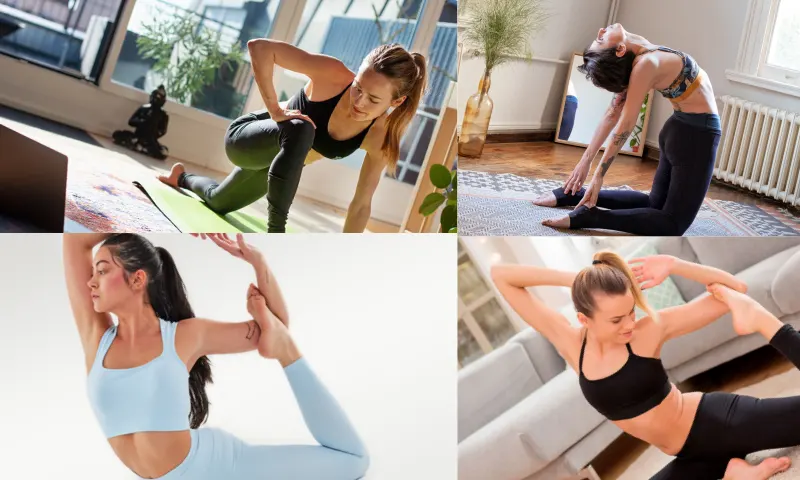
Practicing yoga at home is an effective way to support both your mental and physical health. Yoga provides mental relaxation, in addition to increasing body flexibility, strengthening muscles, and reducing stress. Practing yoga at home allows you to exercise at your own pace and comfort, as it offers a personal space. Yoga poses, breathing exercises, and meditation techniques encourage mental relaxation while also creating positive effects on physical health. By practicing yoga at home, you can cope with daily stress, achieve mental clarity, and strengthen your body. For information on this subject and to ask your questions, you can look at the relevant online companies on web pages and examine them in detail from here.
Simple and Effective Poses for Home Yoga Practice
When creating your home yoga practice, you can start with simple beginner-level poses and progress to more advanced levels over time. Here are some basic and effective poses for practicing yoga at home:
- Mountain Pose (Tadasana): This pose corrects your posture and increases balance. Stand upright, let your arms hang freely at your sides, and relax your body by taking deep breaths.
- Cat-Cow Pose: This movement stretches and relaxes the back and abdominal muscles. Get on your hands and knees. While inhaling, lower your back and lift your head (Cow Pose); while exhaling, arch your back upwards and lower your head (Cat Pose).
- Child's Pose (Balasana): This pose rests the body and reduces stress. Sit on the floor with your knees bent, extend your hands forward, and place your forehead on the floor. Relax your body by taking deep breaths.
These basic poses can be the starting point for your home yoga practice. By practicing each of the poses for 5-10 minutes, you can achieve both mental and physical relaxation.
Creating and Maintaining a Home Yoga Routine
When practicing yoga at home, having a regular routine increases success and continuity. By integrating your yoga practice into your daily routine, you can make it a habit by practicing it within a certain time frame. Practicing yoga for 20-30 minutes a day can be enough to see both mental and physical benefits. Also, you can try various yoga styles and techniques to diversify your yoga practice and keep it interesting. Choosing a yoga mat, comfortable clothing, and a suitable space can make your yoga practice more effective and enjoyable. Also, remember to breathe deeply and apply the correct techniques during yoga. With developing technology, online yoga classes and applications can support and guide your home yoga practice. Practicing yoga at home provides a personal relaxation space, in addition to supporting spiritual and physical health. By starting with simple poses, creating a regular routine, and trying various techniques, you can effectively maintain your home yoga practice and distance yourself from the stresses of daily life.