What is Laser Eye Surgery?
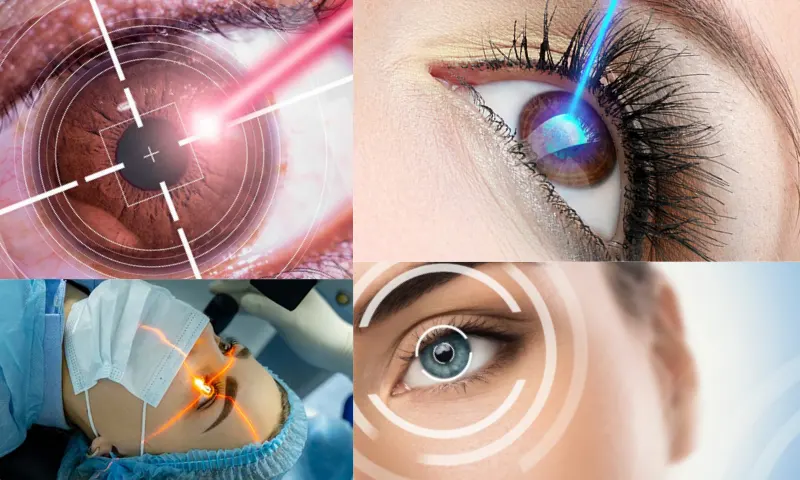
What is Laser Eye Surgery?
Laser eye surgery is a surgical method used to correct vision defects. This method is applied to treat vision defects such as myopia (nearsightedness), hyperopia (farsightedness), and astigmatism. Laser eye surgery corrects vision defects by reshaping the cornea of the eye, thereby correcting the focus of light onto the eye. This allows individuals to gain clear vision without the need for glasses or contact lenses. Laser eye surgery is generally a short procedure and can be performed with minimal discomfort for many patients. For information on this topic and to ask your questions, you can look at the relevant online firms on internet pages and examine them in detail from here.
How is Laser Eye Surgery Performed?
In laser eye surgery, suitable candidates are first determined by a detailed eye examination performed by an ophthalmologist. Before the procedure, local anesthesia is applied to the eye to numb it. Then, the epithelium, the outermost layer of the cornea, is removed or lifted with a laser device, and the laser procedure is applied. The laser reshapes the cornea to change its shape and ensure proper light focus. It is important for the patient to focus their eye and not move during the procedure. The procedure is usually very short, and the patient can return home the same day. The recovery process is also generally fast, and normal daily activities can be resumed within a few days.
Who is Laser Eye Surgery Suitable For?
Laser eye surgery can generally be applied to individuals who are over 18 years of age and whose eye prescription has stabilized. Laser eye surgery is not recommended for pregnant or breastfeeding individuals, those with chronic eye conditions, or those with certain health problems. Furthermore, laser eye surgery is suitable for correcting specific vision defects such as myopia, hyperopia, and astigmatism. If your doctor deems it appropriate after an eye examination and your health condition is suitable, laser eye surgery may be appropriate for you. However, a detailed examination is necessary to determine the most suitable treatment method for each patient.