
Medical Education: A Journey Based on Scientific Foundations

Medical education is a long-term and scientific process given to protect human health, diagnose and treat diseases. This education covers a wide range from basic sciences to clinical applications. The process, which begins with basic medical sciences such as anatomy, physiology, and biochemistry, continues in the following years with applied courses in clinical branches such as internal diseases, surgery, and pediatrics. Students are equipped not only with theoretical knowledge but also with practical experience gained in laboratory and hospital settings. For information on this subject and to ask questions you are curious about, you can look at relevant online companies on internet pages and examine them in detail from here.
Professional Responsibility Awareness and Ethical Values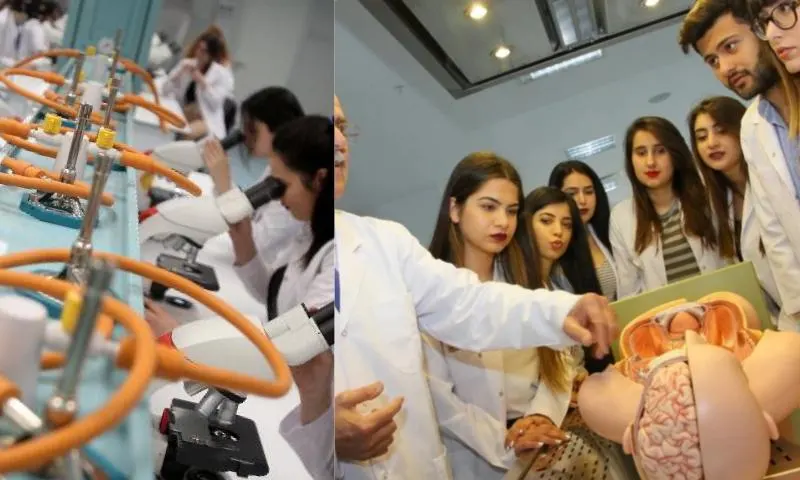
Medical education is not just the transfer of technical knowledge; it is also an education where ethical values, professional responsibility awareness, and patient rights are learned. The medical profession carries great trust and respect in the eyes of society. Therefore, importance is also given to subjects such as ethics courses, communication skills, and patient psychology in medical faculties. It is aimed for students to be prepared both professionally and humanly for the difficult and stressful situations they will encounter in the future. Because being a good doctor requires not only having knowledge but also having a conscience.
The Necessity of Continuous Development and Lifelong Learning
The medical world is a dynamic field that is constantly changing with technological and scientific developments. Therefore, medical education is a process that does not end with graduation. Doctors who graduate from medical school can specialize by taking specialty exams; furthermore, they must keep their knowledge constantly updated through seminars, congresses, and following current literature. Especially innovations in fields such as artificial intelligence, robotic surgery, and genetics make it imperative for doctors to continuously pursue their professional development. This reveals that medical education is a lifelong learning discipline.