Library: The Center of Knowledge and Culture
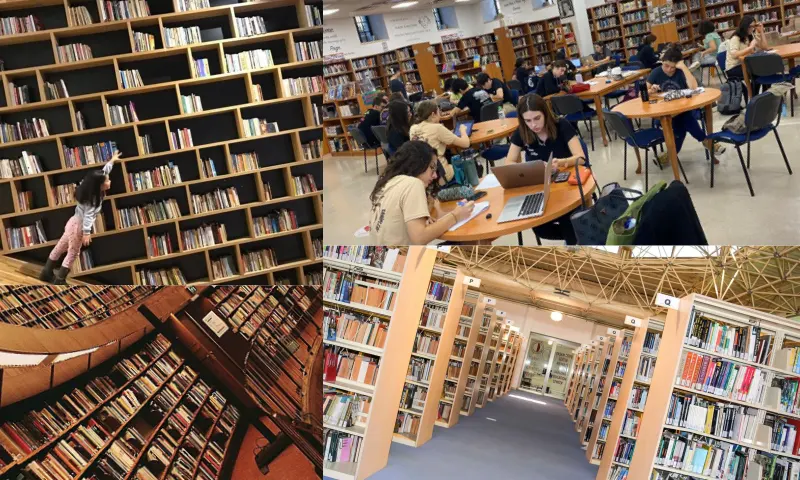
Libraries are among the most important sources of knowledge in human history. From ancient times to the present day, many civilizations have built libraries to preserve knowledge and culture. The Library of Alexandria in ancient Egypt and the clay tablet archives in Mesopotamia are important examples of this tradition. Modern libraries not only store books but also serve as digital archives, research centers, and community education spaces.
Benefits and Functions of Libraries
Libraries are spaces that contribute to the academic and cultural development of individuals. They provide quiet and organized study environments, enabling researchers and students to work efficiently. Furthermore, thanks to public libraries, people of all ages can access information for free. Today, many libraries facilitate access to information with digital resources and e-book services. Libraries also increase social interaction by organizing events, talks, and workshops that promote reading culture in society.
The Role of Libraries in the Future
With the advancement of technology, libraries are also undergoing transformation. In addition to traditional printed books, digital databases, e-books, and online academic resources have become an integral part of modern libraries. Thanks to smart library systems, users can access the information they seek quickly and easily. In the future, libraries are expected to be more integrated with information technologies. These developments will transform libraries from mere places for reading books into centers for accessing and sharing knowledge. Libraries are important institutions where knowledge has been preserved and shared from the past to the present. Evolving with the impact of technology, libraries will continue to elevate the education and culture levels of societies in the future.