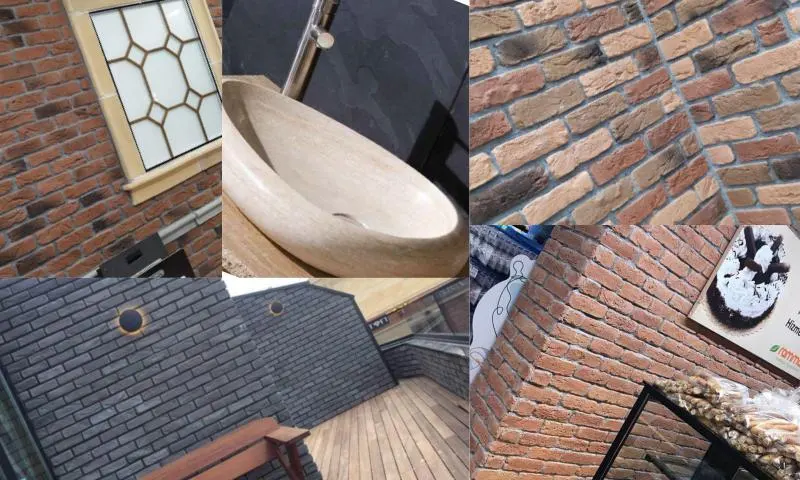
Where are Decorative (Culture) Stones Used?
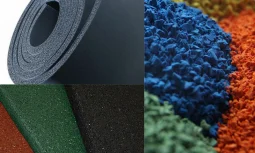
How are Decorative Stones Produced?
Culture stones are a decorative material produced by taking molds of natural stones. The scope of use of culture stones, known as decorative stones, is quite wide. You can visit the page to examine the decorative stone types that will give your homes and offices a new look and get price information.
Different Decorative Stone Applications
Decorative stones, as the name suggests, are stones produced for decorative purposes. These stones, produced as a copy of natural stones, are multiplied for industrial purposes. There are hundreds of types of stones in nature. Stones that are suitable for decoration, whose molds are taken and whose artificial production is obtained using sand, cement, pumice, and various color segments, are called decorative stones. Natural stones have been a building material used in all periods of history. Today, the use of culture stones, which have started to be used for decoration purposes, as a decorative material has increased since the 2000s. These stones, used in many areas today, are both very elegant in appearance and extremely easy to use. The scope of use of natural stones used as decorative materials is quite wide. These stones, which are mostly used in interiors, are also heavily preferred in office decoration. We can list their uses in interiors as follows: they can be used in bathroom and WC decoration, in the background decoration of television units, in kitchens, bedrooms, youth rooms, and office decoration. Natural stones, which can be used both on the floor and on the wall, are a cladding material that makes your living spaces more elegant and comfortable. Due to their high strength and durability, these stones, which remain as they were on the first day for many years, are also extremely easy to clean and use. If you want to recreate your home or office and complete the decoration with natural stone, you can visit the page to examine the highest quality and most stylish decorative stone models up close.