Heat Insulation
Advantages of Heat Insulation
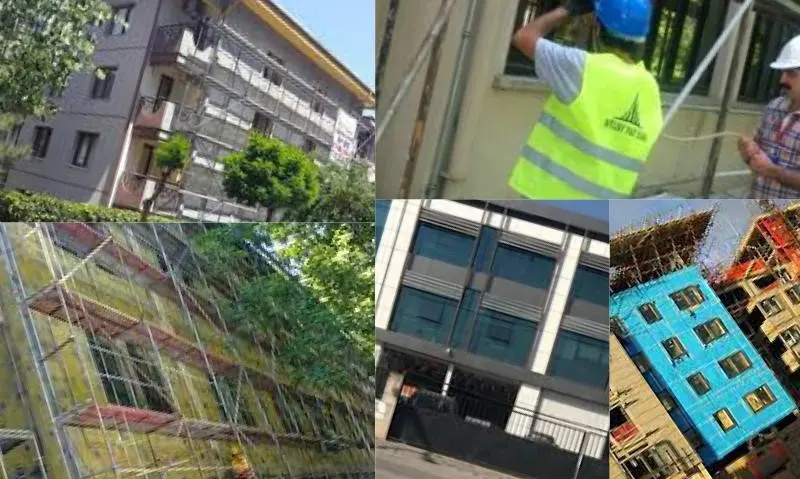
Heat insulation is to protect the desired area or environment by using insulating materials in a way that it is not affected by the heat of the outside environment. In other words, it is an application that allows the heat inside the living spaces to be preserved, thanks to the systems applied to the walls, roof, and floors, preventing it from interacting with the outside temperature. Today, heat insulation systems are applied in almost all newly built buildings. Heat insulation applications are made on exterior facades, floor slabs, roofs, and even garages. However, based on the budget allocated for the building, heat insulation applications sometimes do not achieve the desired quality. Furthermore, while heat insulation can be applied to new buildings, most old buildings lack it. With the developing systems today, old buildings can also be provided with heat insulation properties through exterior cladding applications. Heat insulation properties can be added to old buildings today by applying different systems. You can visit the address for the most advantageous prices. There are many alternative heat insulation applications depending on the chosen material and the application method.
Heat Insulation Costs
When the right insulation material is applied by the right team, the expenses spent on heating or cooling residences decrease significantly. As a result of this decrease, energy savings of up to sixty, even eighty percent, can be achieved. During heat insulation, not only heat-insulating materials are used, but also sound and water insulation are performed, especially in external environments. Thus, water insulation for buildings is also done at affordable costs. With the heat insulation application, the building is protected from many external factors. Heat insulation applications offer a wide range of alternatives according to the desired quality, desired features, and decorative options. Different applications can be made according to preference. The simplest system is the application of plaster and paint over styrofoam. If desired, applications such as marble, granite, and the like can also be made on top. Therefore, heat insulation costs also vary depending on the system preferred for the facade.